Between the 1st and 3rd of October, Forest4Youth partners from the Centre Neuro Psychiatrique Saint-Martin and the Université libre de Bruxelles were welcomed by the RCSI Centre for Positive Health Sciences for a three-day study visit dedicated to the role of nature-based and digital interventions in adolescent mental-health care.
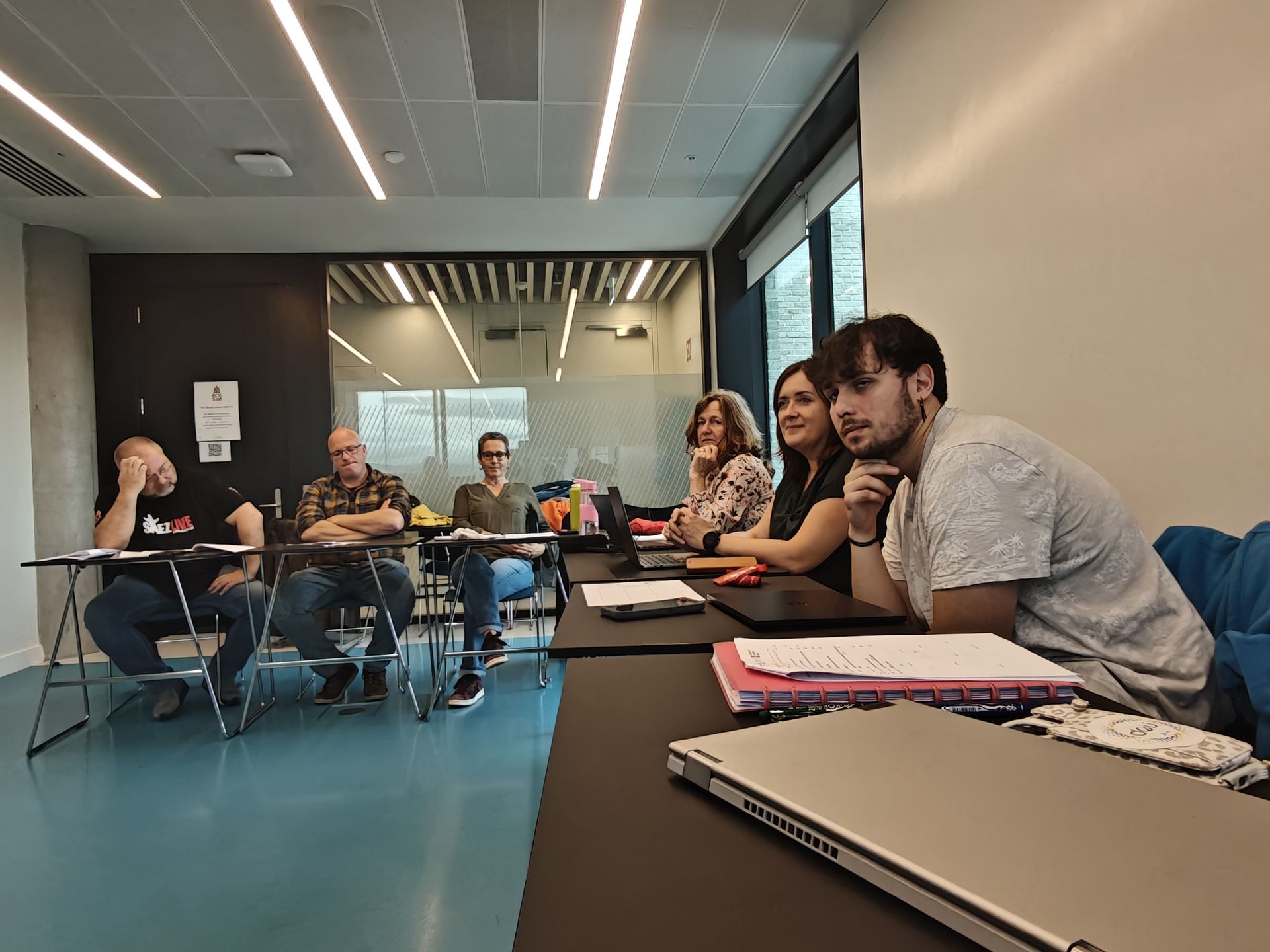
The visit combined presentations, workshops, and field experiences to strengthen collaboration between clinicians and researchers and to explore how evidence and practice can meet in nature.
Day 1 — Opening Reflections at RCSI
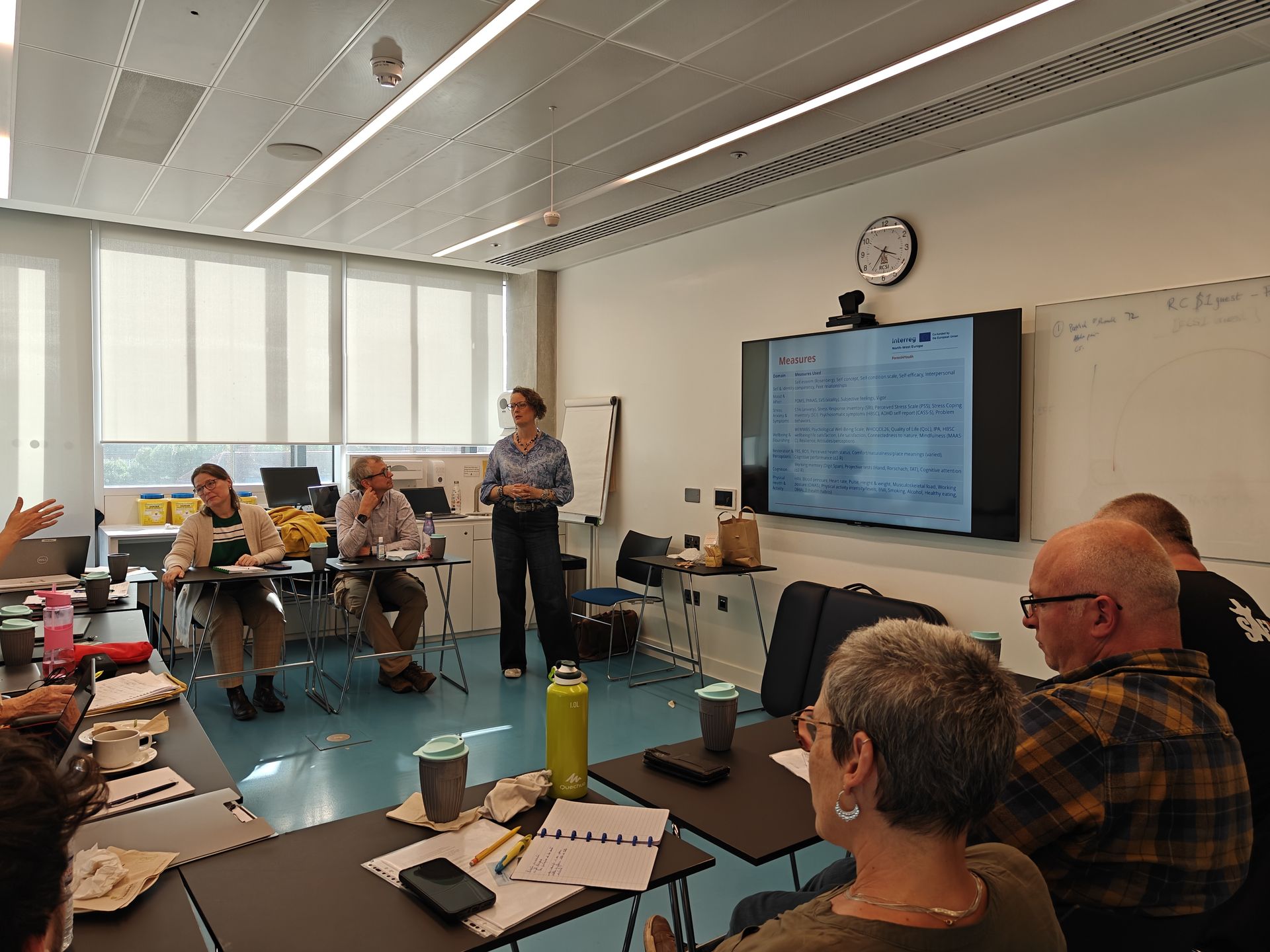
Morning introductions set the tone with reflections on L’Athanor’s forest immersions and ongoing research at RCSI, highlighting the importance of qualitative perspectives in mental-health practice. Practitioners and researchers shared a common goal: bridging empirical evidence with lived experience to design more meaningful, youth-centred therapeutic pathways.
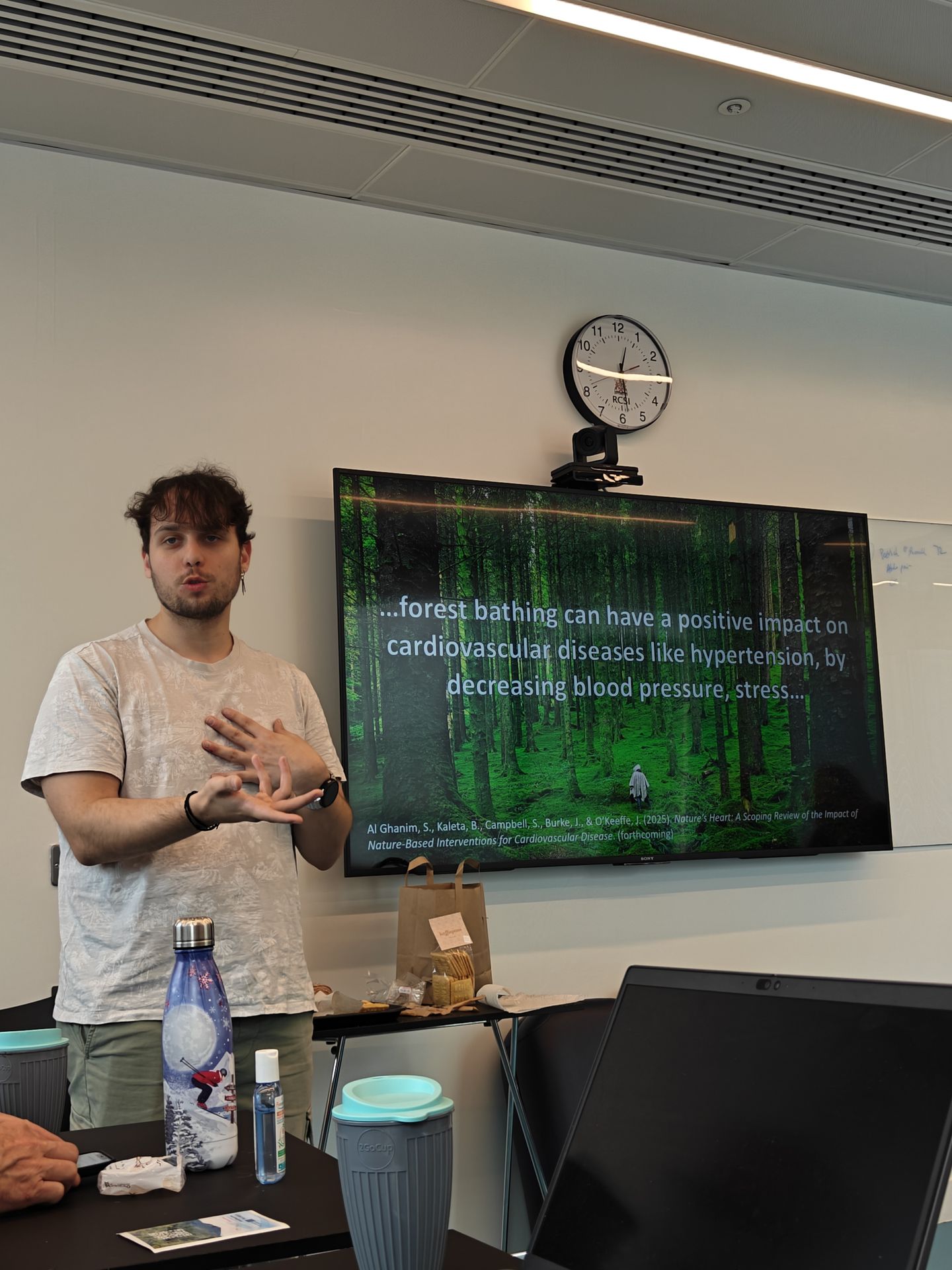
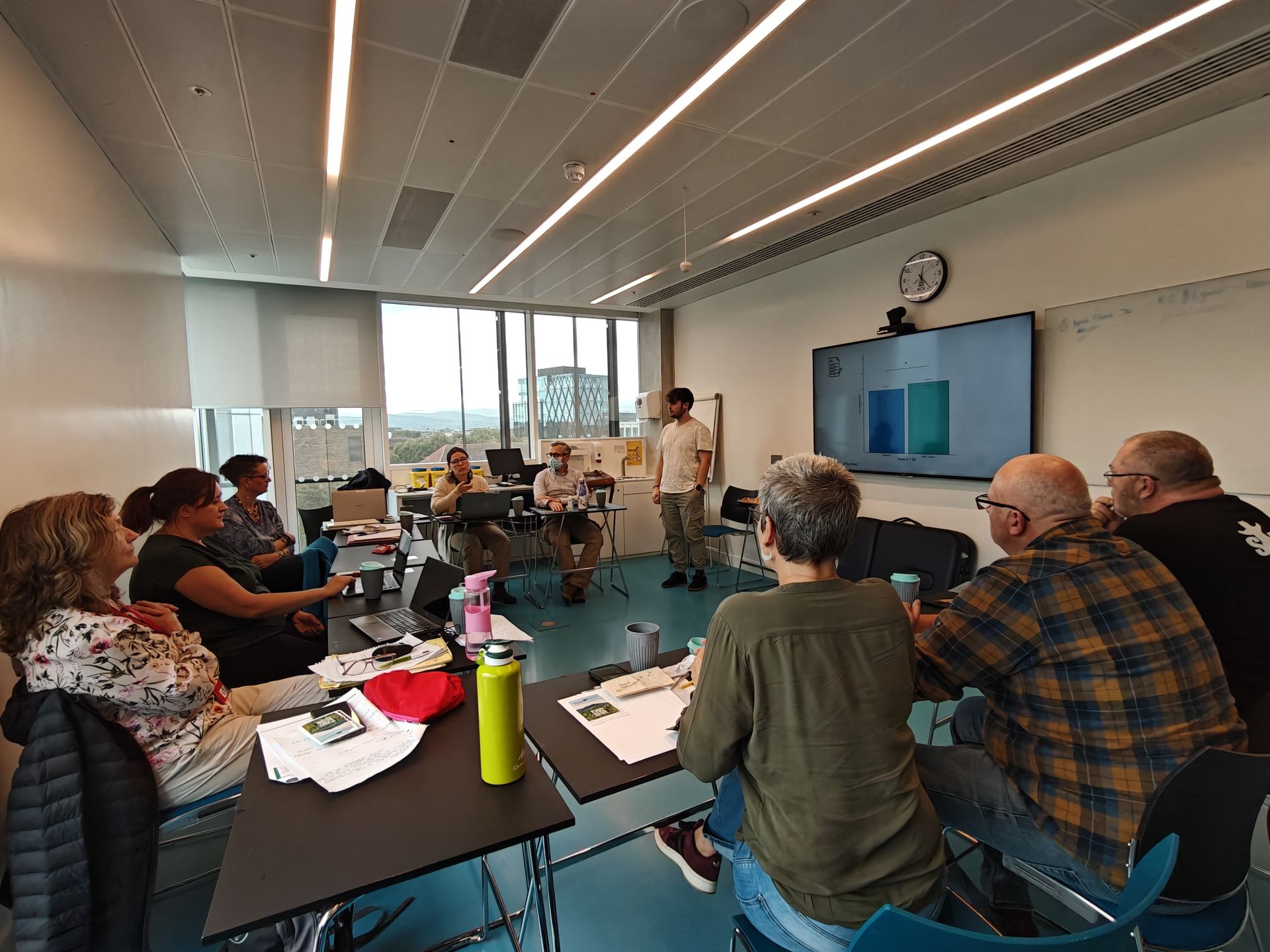
Braňislav Kaleta presented findings from his comparative study of high- and low-quality green spaces. Using physiological and neurological indicators, he showed that quality truly matters: structured, purpose-driven activities conducted in richer natural environments amplify both emotional and cognitive benefits for participants.
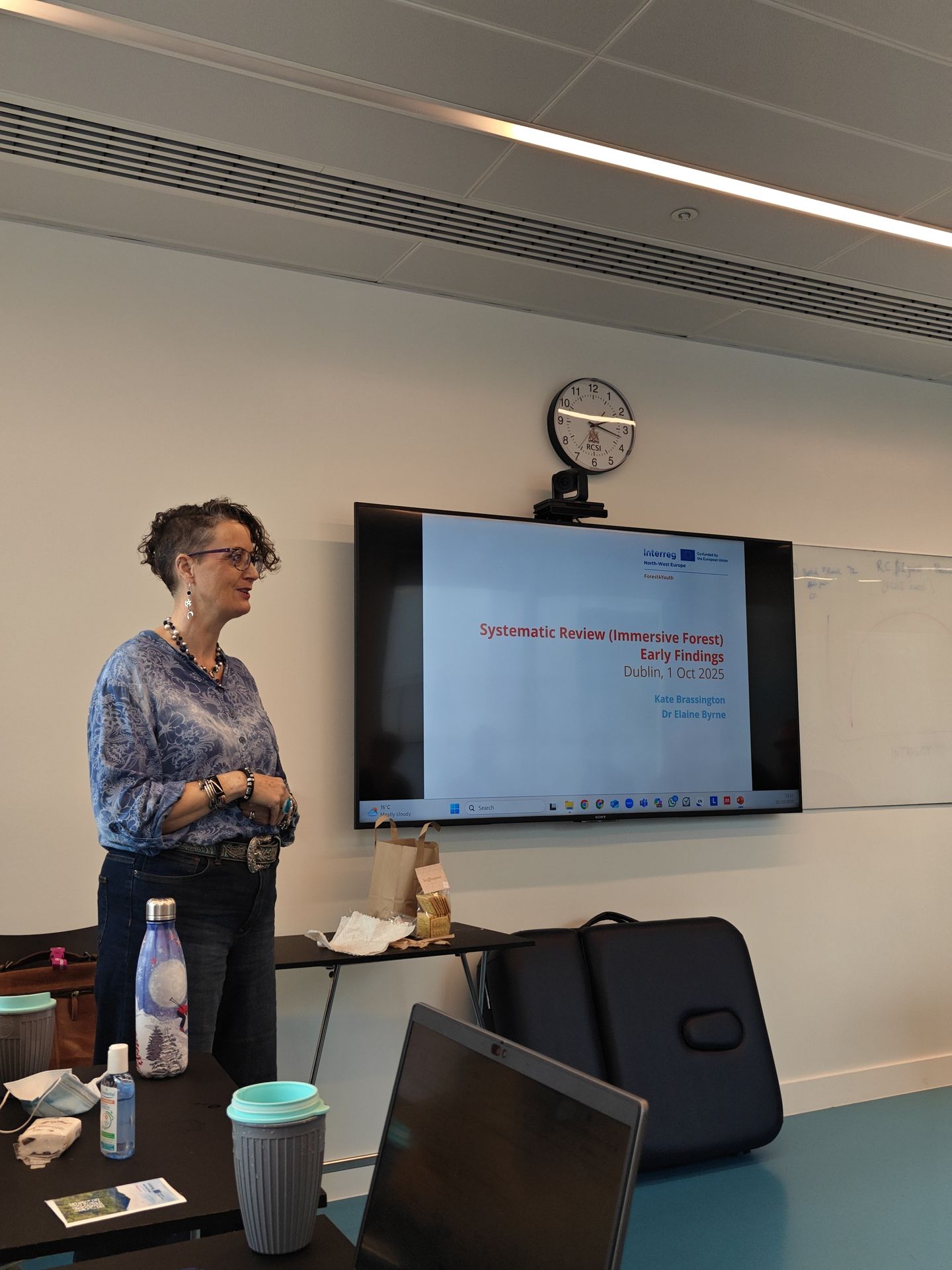
Kate Brassington followed with insights from her Systematic Review of Nature-Based Interventions, sparking an engaging debate about measures, metrics, and meaning. She concluded by introducing the Context – Mechanisms – Outcomes model — a framework for understanding what truly triggers therapeutic effects in nature and why results differ across contexts.
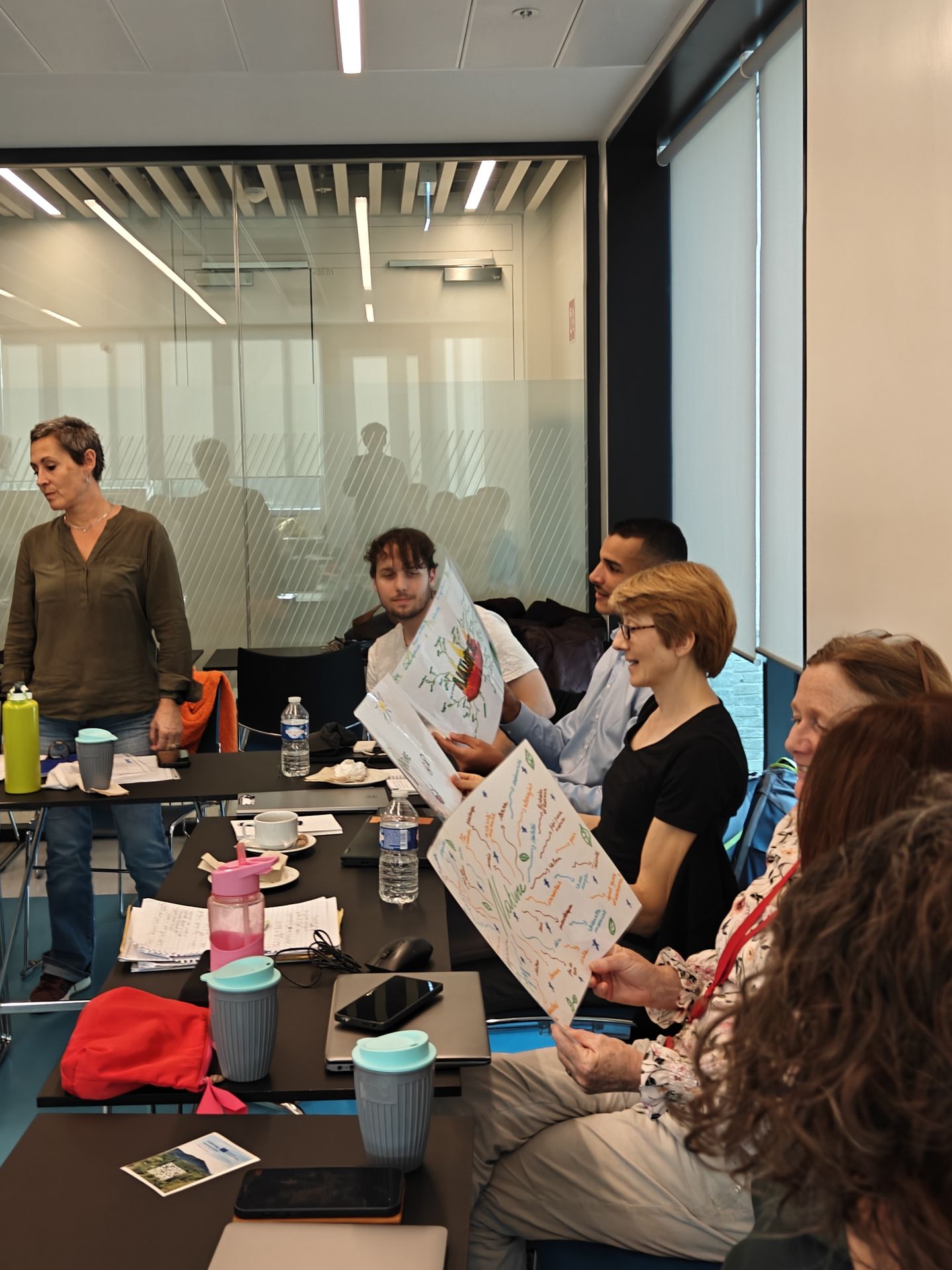
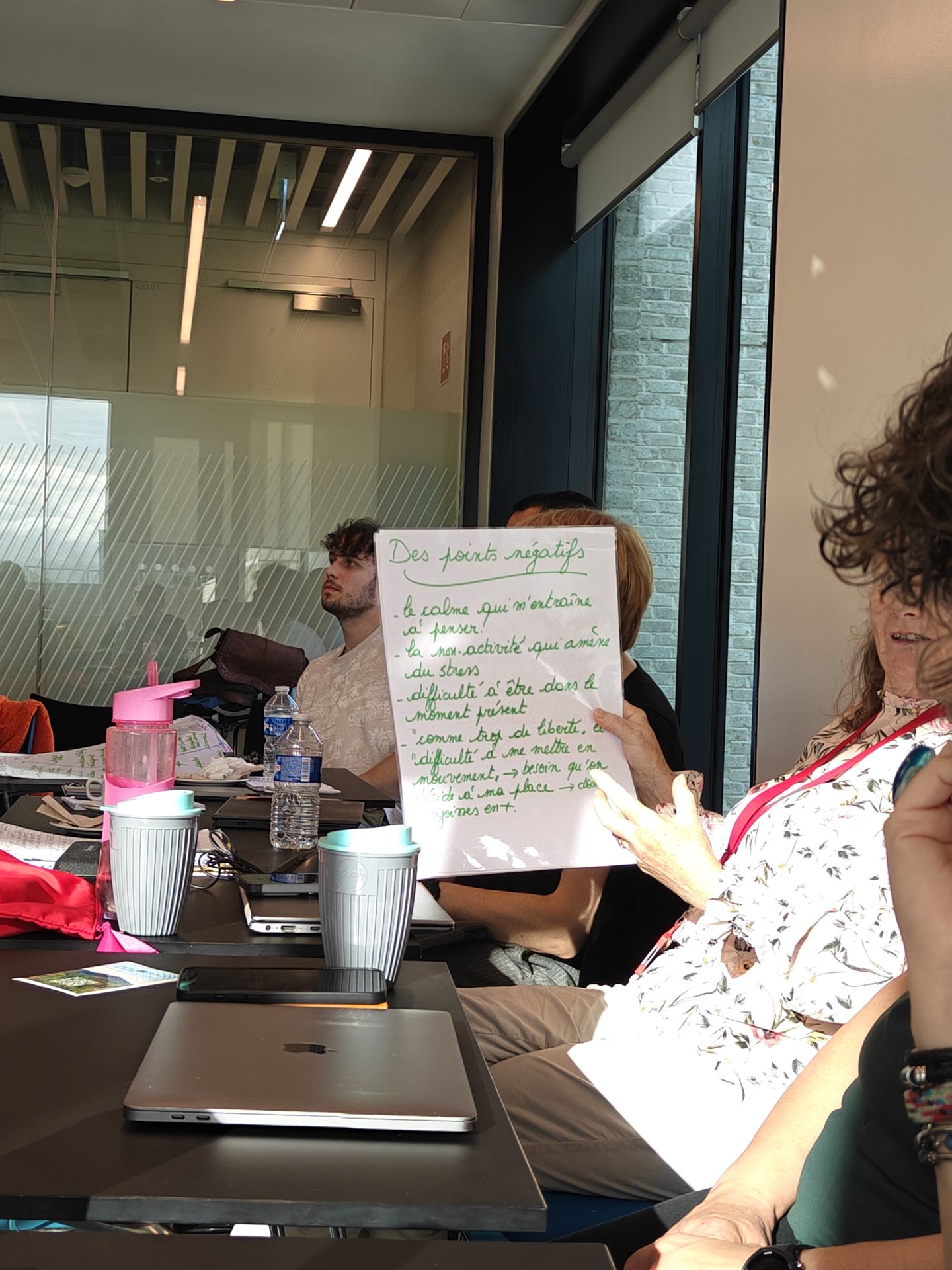
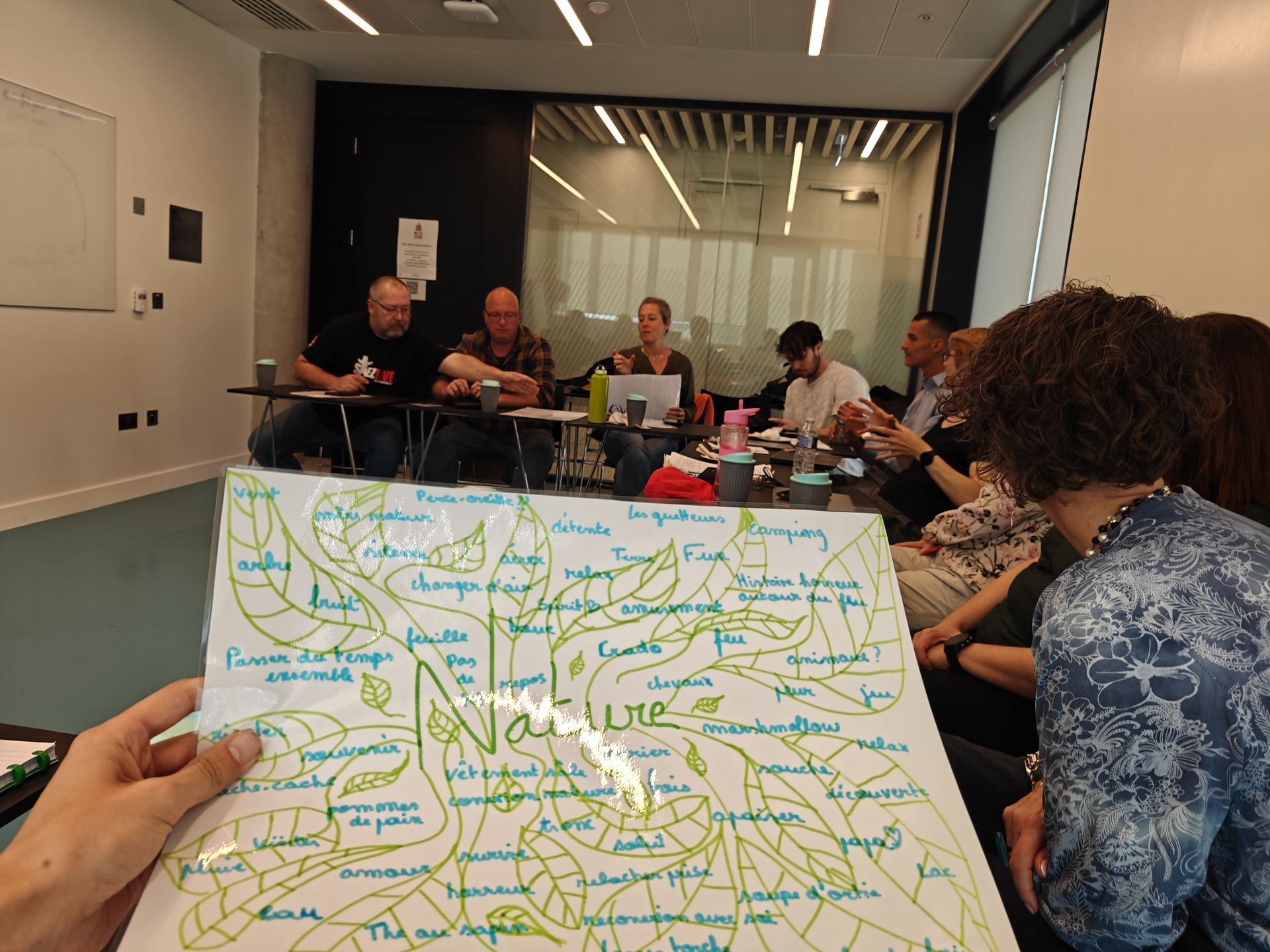
In the afternoon, Odile Bertrand shared heartfelt testimonials from adolescents who took part in L’Athanor’s forest immersions. Their stories reminded everyone that it is not merely being in nature that heals, but the intention, quality, and design of the experience that unlock its full therapeutic potential.
Day 2 — From Virtual to Real Nature
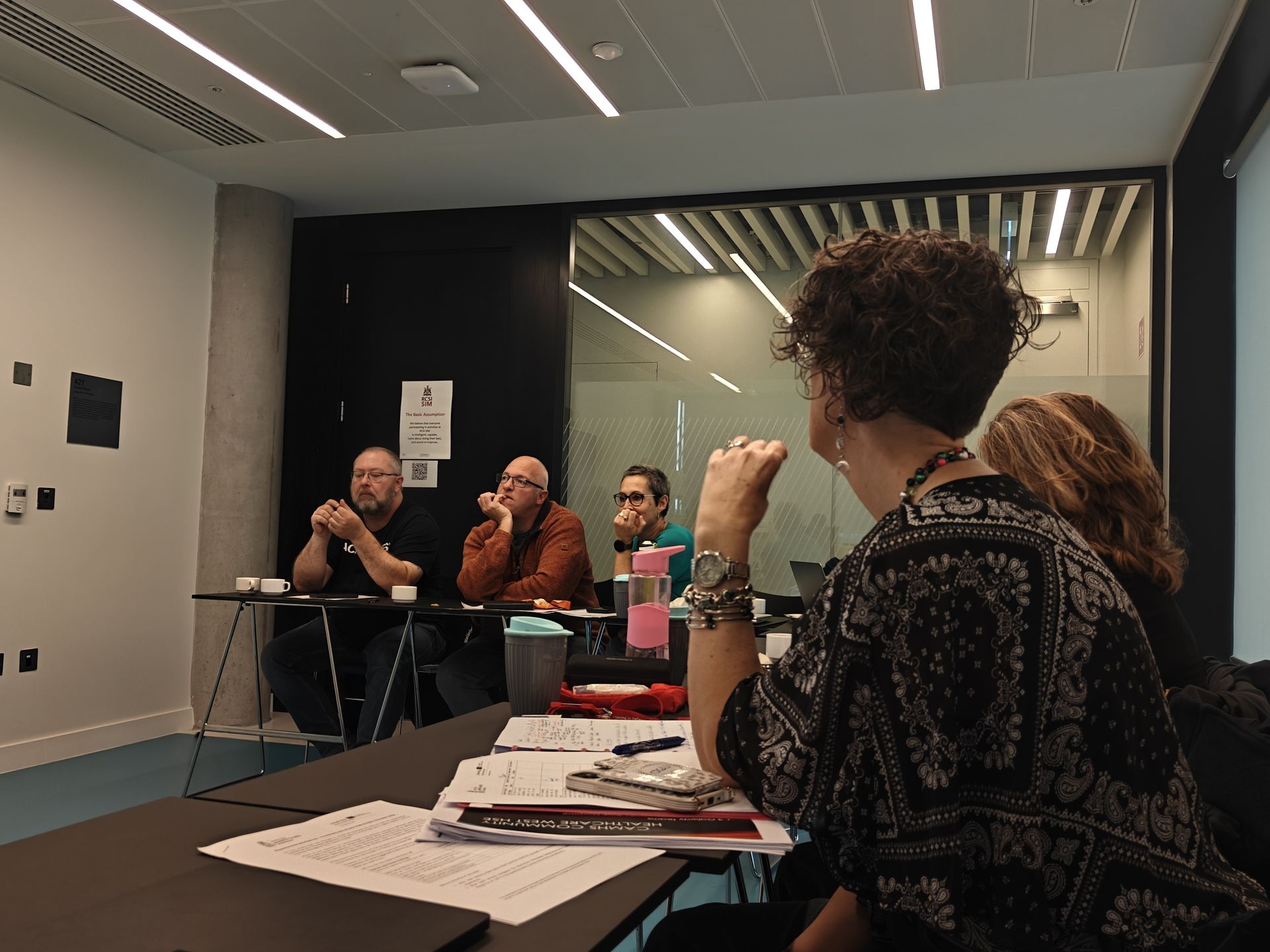
Partners reconvened at RCSI to explore how digital environments can complement forest-based care.
Exploring Virtual Nature Environments
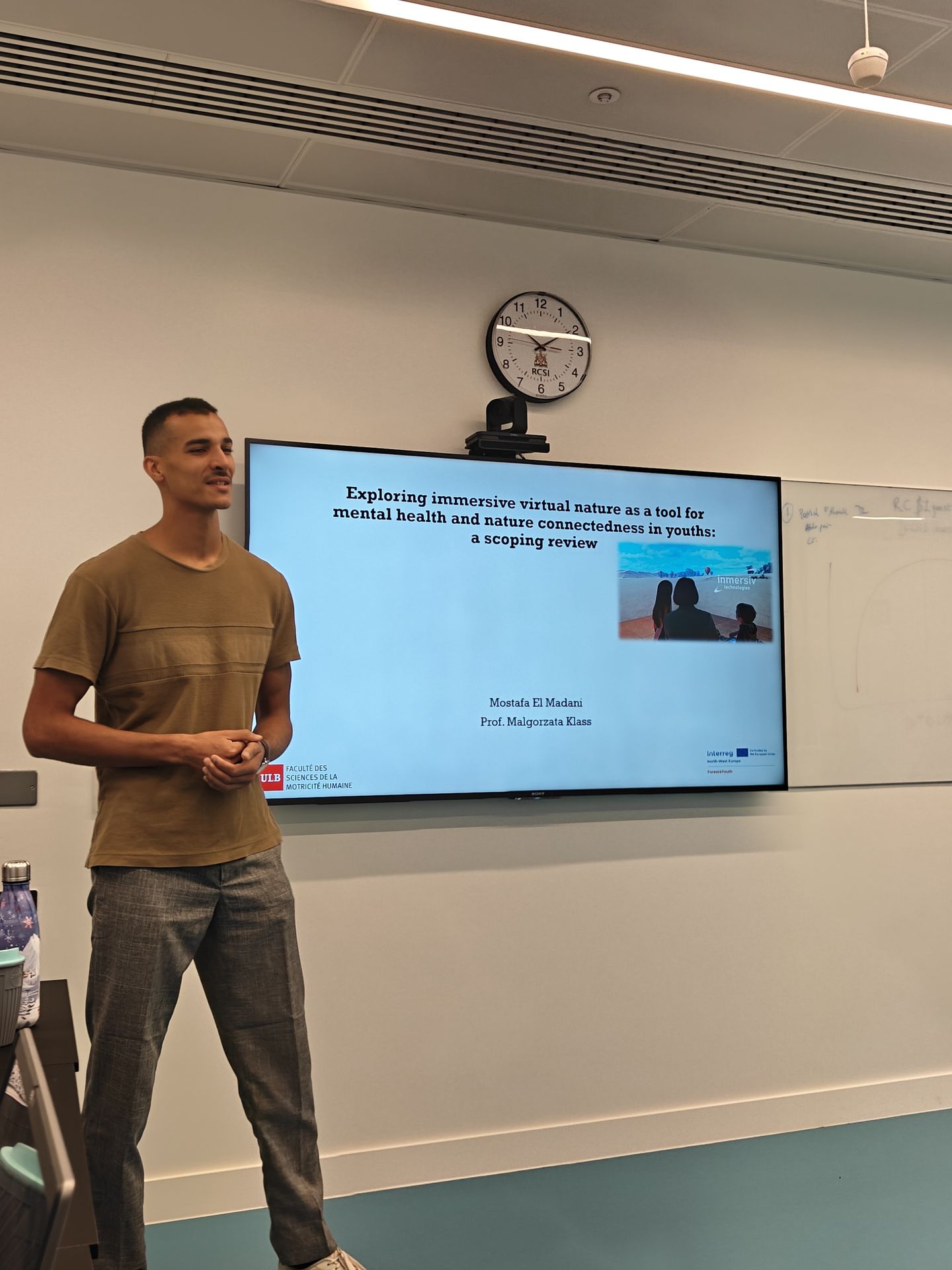
Morning sessions led by Mostafa El Madani and Prof. Malgorzata Klass presented a scoping review on the use of virtual-nature settings to nurture nature connectedness. Their research mapped existing VR models, their origins, effectiveness, and assessment tools.
A key takeaway emerged: while Head-Mounted Displays (HMDs) are widely studied, the potential of immersive CAVE rooms remains largely unexplored — a gap that Forest4Youth will address through upcoming pilot testing.
From Concept to Application
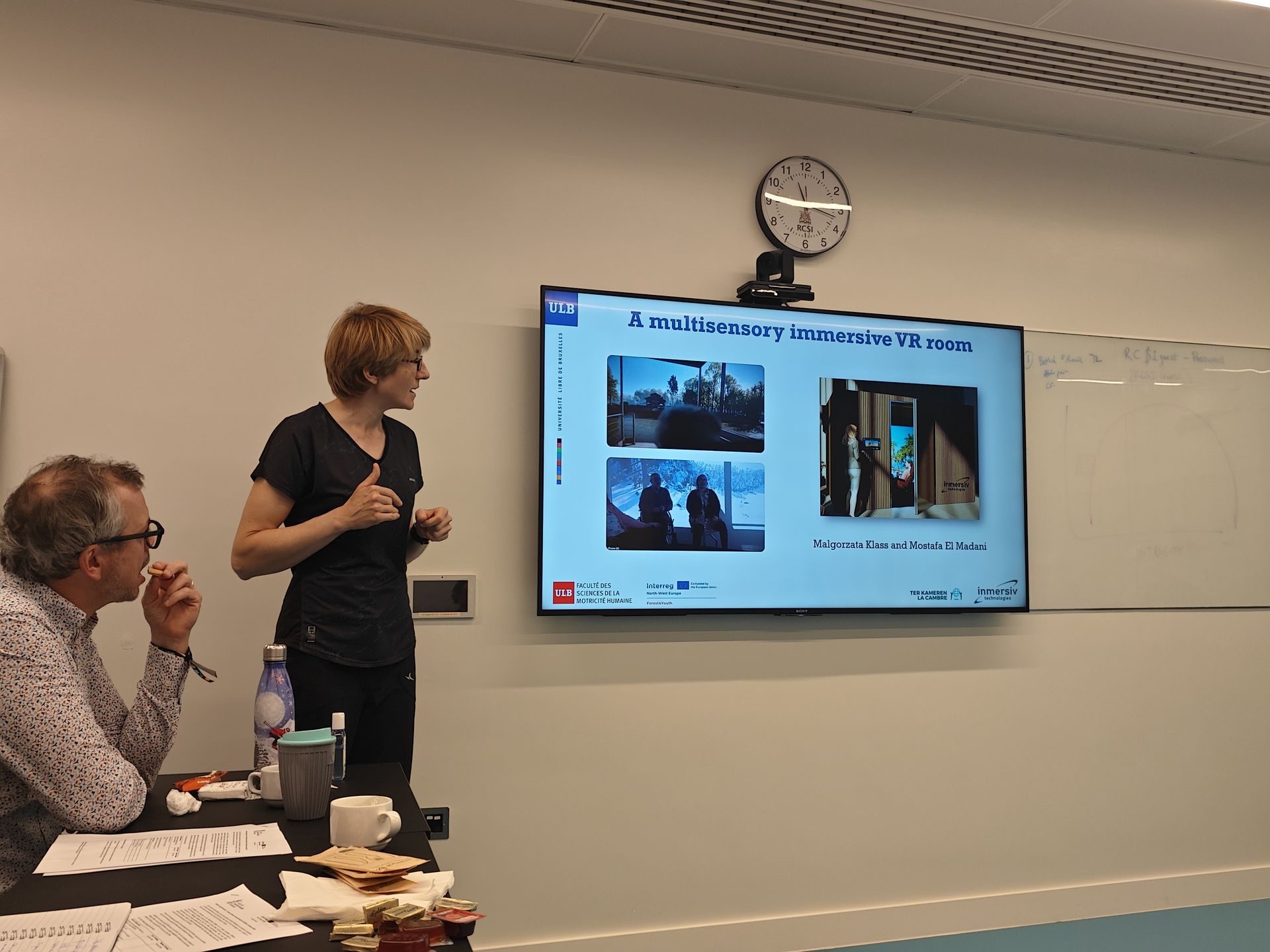
Prof. Klass detailed the VR chambers to be implemented within the project. With endless possibilities — from night-time forest walks with flashlights to full-daylight immersions — these environments can complement real-nature experiences and even act as preparatory or therapeutic tools for young people who cannot yet access outdoor settings.

From the Classroom to the Park
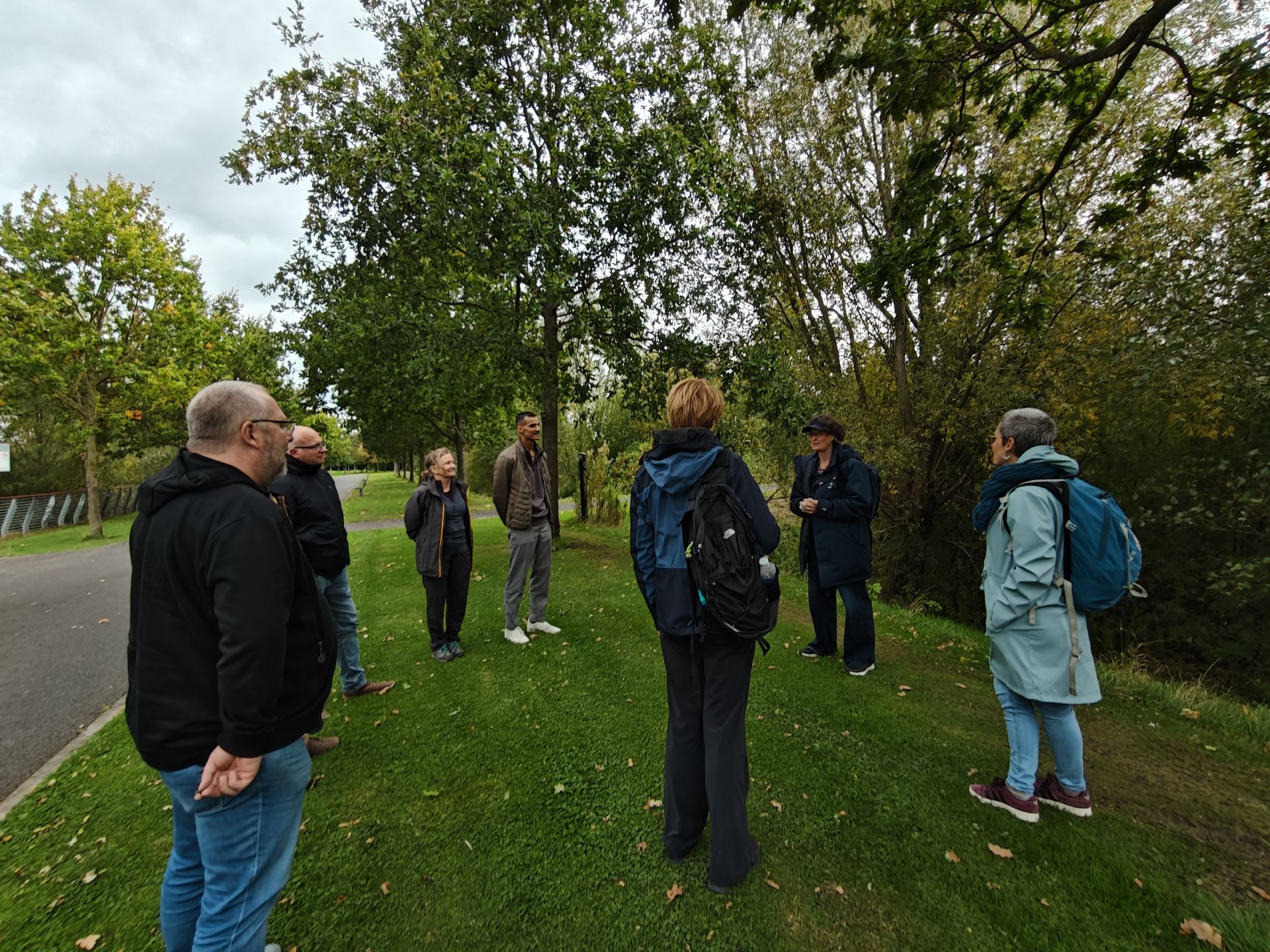
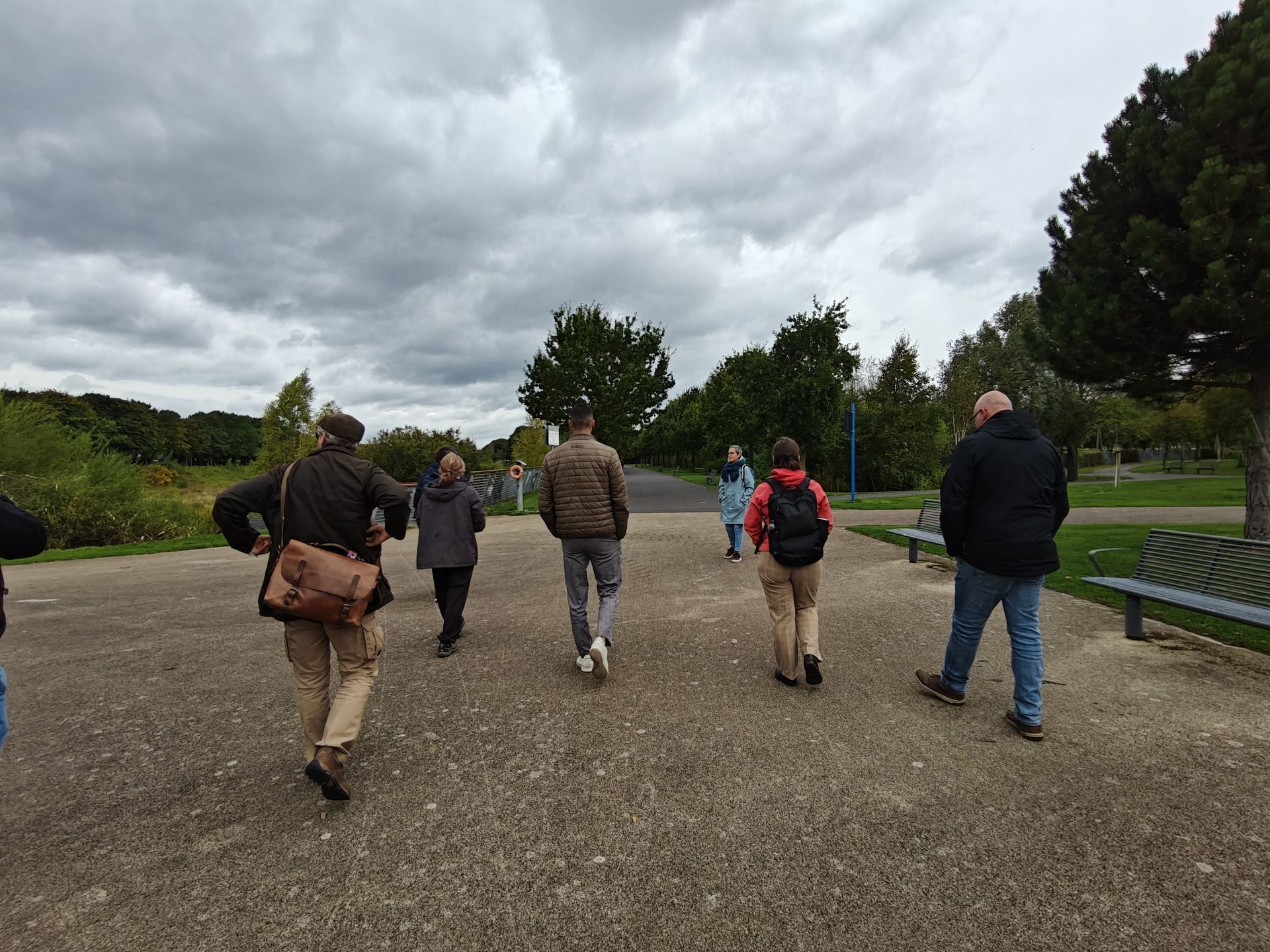
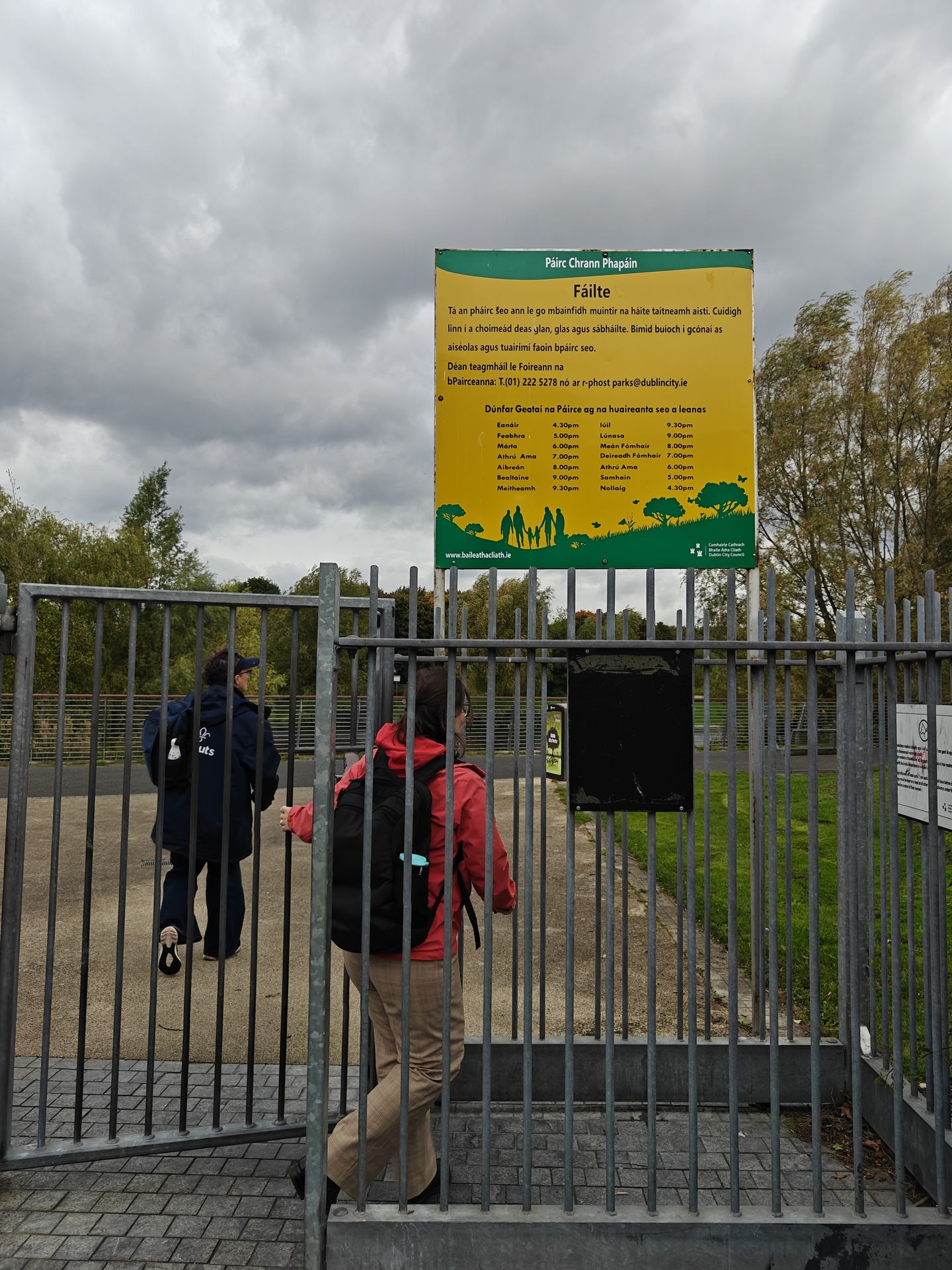
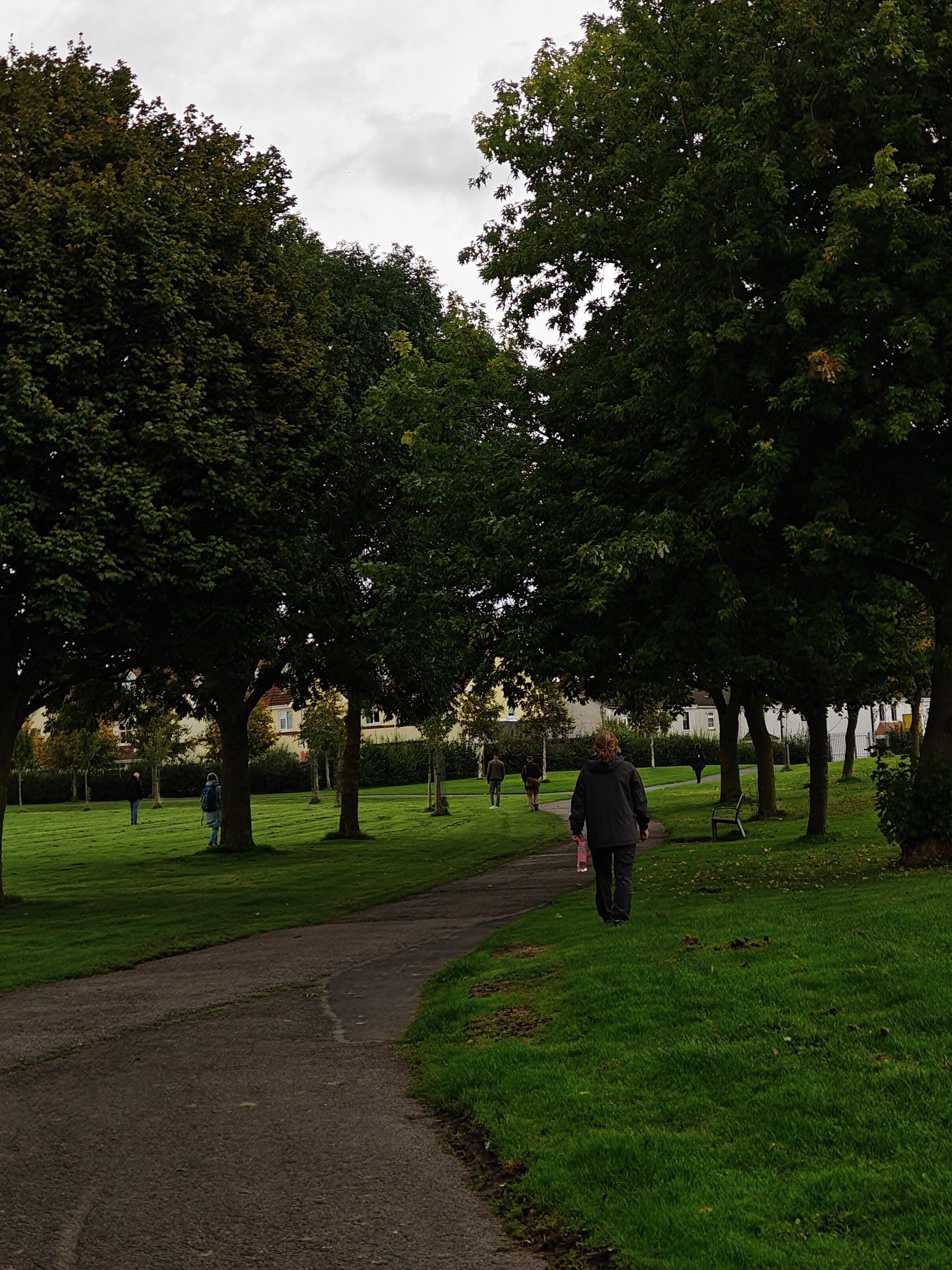
In the afternoon, partners stepped outside the RCSI walls and into Poppintree Park, a Green Flag Award-winning site in Ballymun used by RCSI for field research. The shift from the controlled atmosphere of the lecture room to the open rhythm of the park was striking: wind replaced projectors, rustling leaves replaced slides, and conversation gave way to quiet observation.
Led by Kate Brassington, the experiential workshop invited participants to feel rather than to analyse — to pay attention to the rhythm of their breath, the texture of the ground, and the subtle changes in light. Through a series of reflective activities, they explored how presence, curiosity, and sensory awareness can shape emotional and cognitive responses.
The session offered more than demonstration: it embodied the project’s philosophy that therapy in nature is not an escape from care but an expansion of it.
Standing together beneath the trees, partners reflected on how design, facilitation, and environment converge to form the true architecture of nature-based care.
Day 3 — Future Directions and Collaborative Network
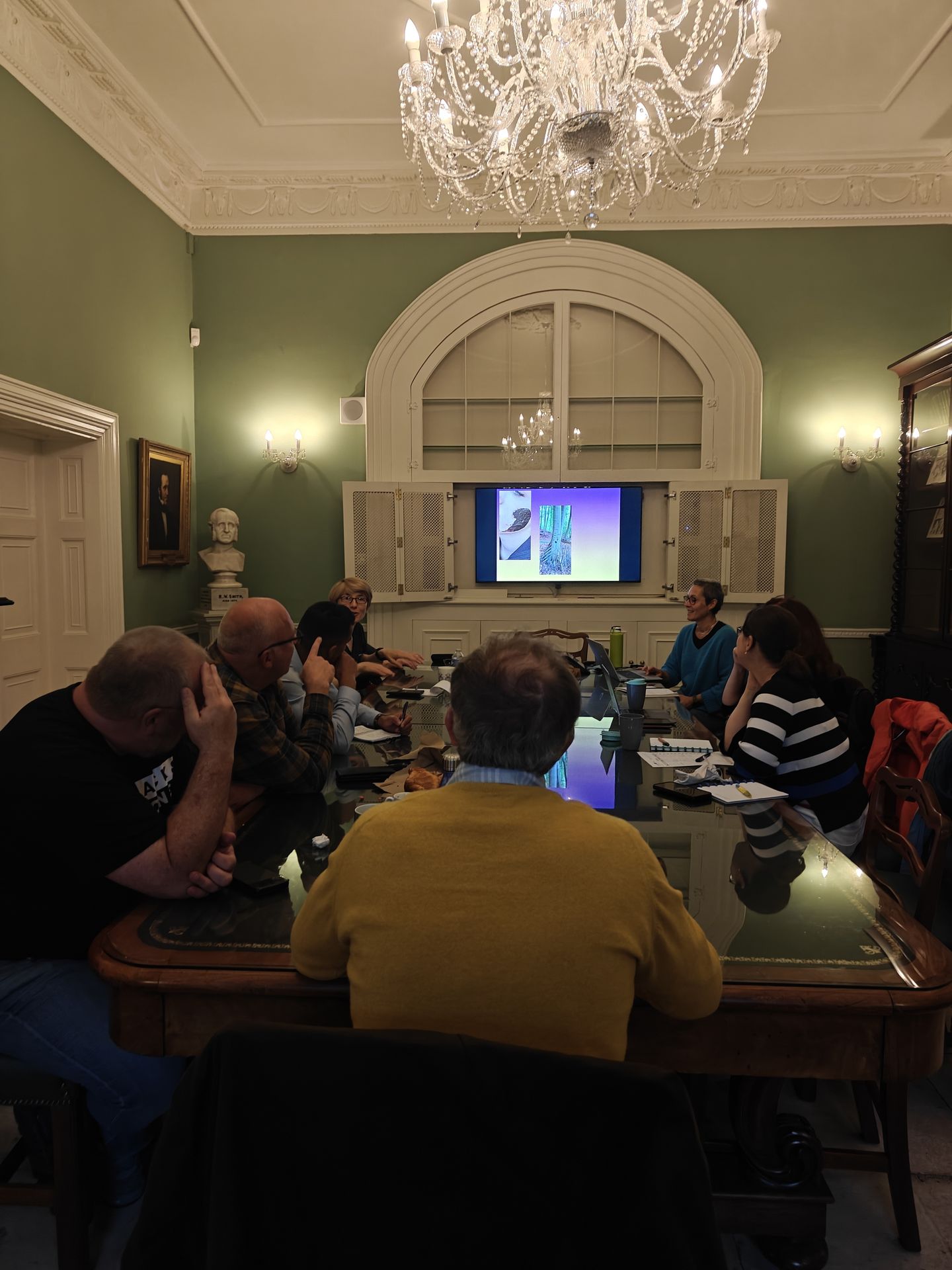
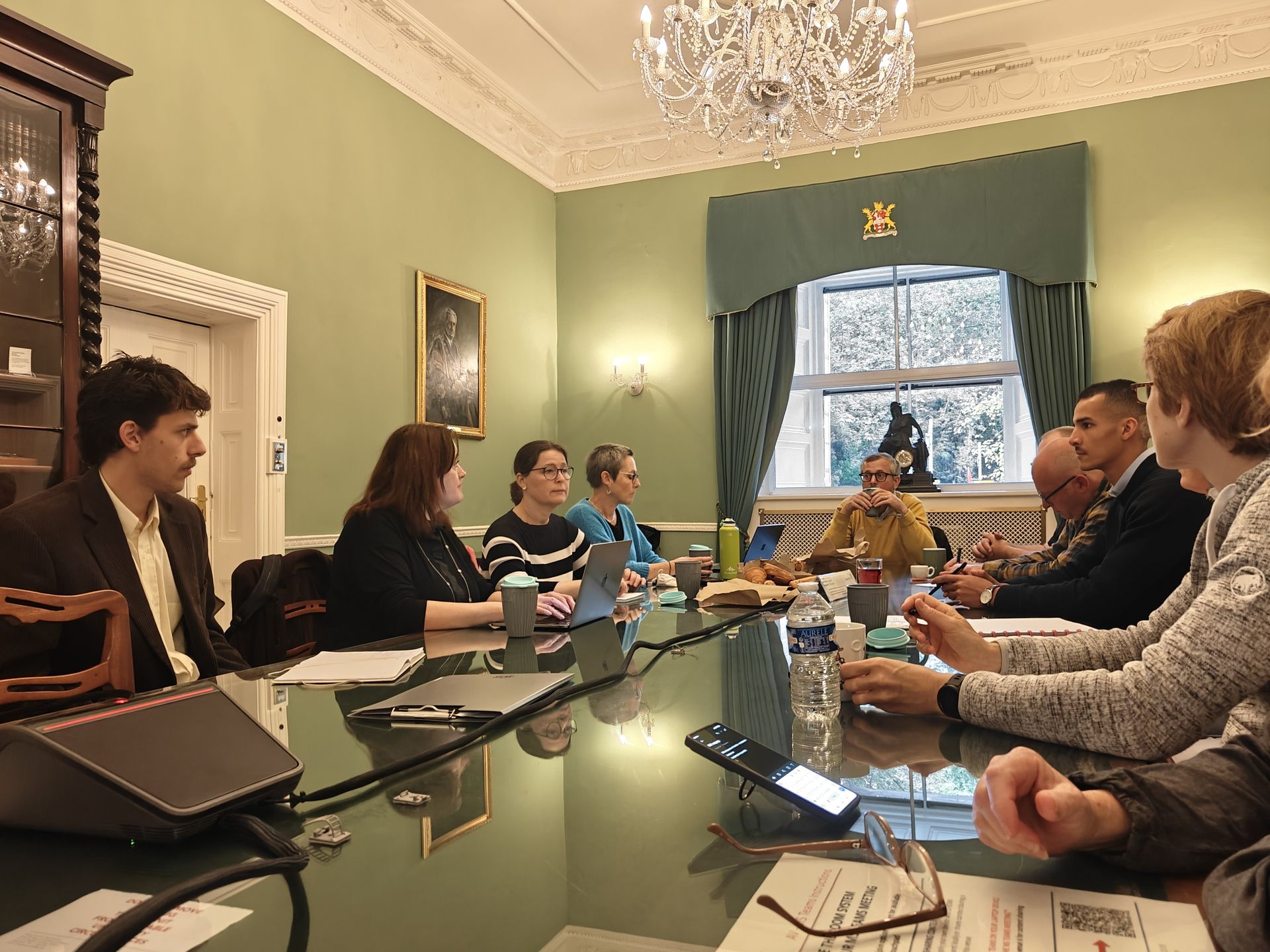
The final day gathered all participants for a reflective session at RCSI’s Sir Thomas Myles Room. Partners discussed how the insights gained in Dublin could translate into long-term cooperation between CNP, RCSI, and ULB.
The discussion focused on integrating both forest and digital approaches into a future Forest-Based Care Protocol, ensuring that therapeutic design remains human-centred while supported by evidence.

Key Messages
-
Quality and purpose of natural environments determine therapeutic impact.
-
Immersive VR technologies offer new pathways for accessibility and preparation.
-
Reflection and trust are as vital as data in healing processes.
-
Collaboration between clinicians, educators, and researchers bridges evidence and experience.
Looking Ahead
The Dublin study visit reaffirmed the Forest4Youth commitment to connect care, science, and the living environment.
Future meetings will build on these exchanges, moving closer to a shared European framework for forest-based adolescent mental-health care.